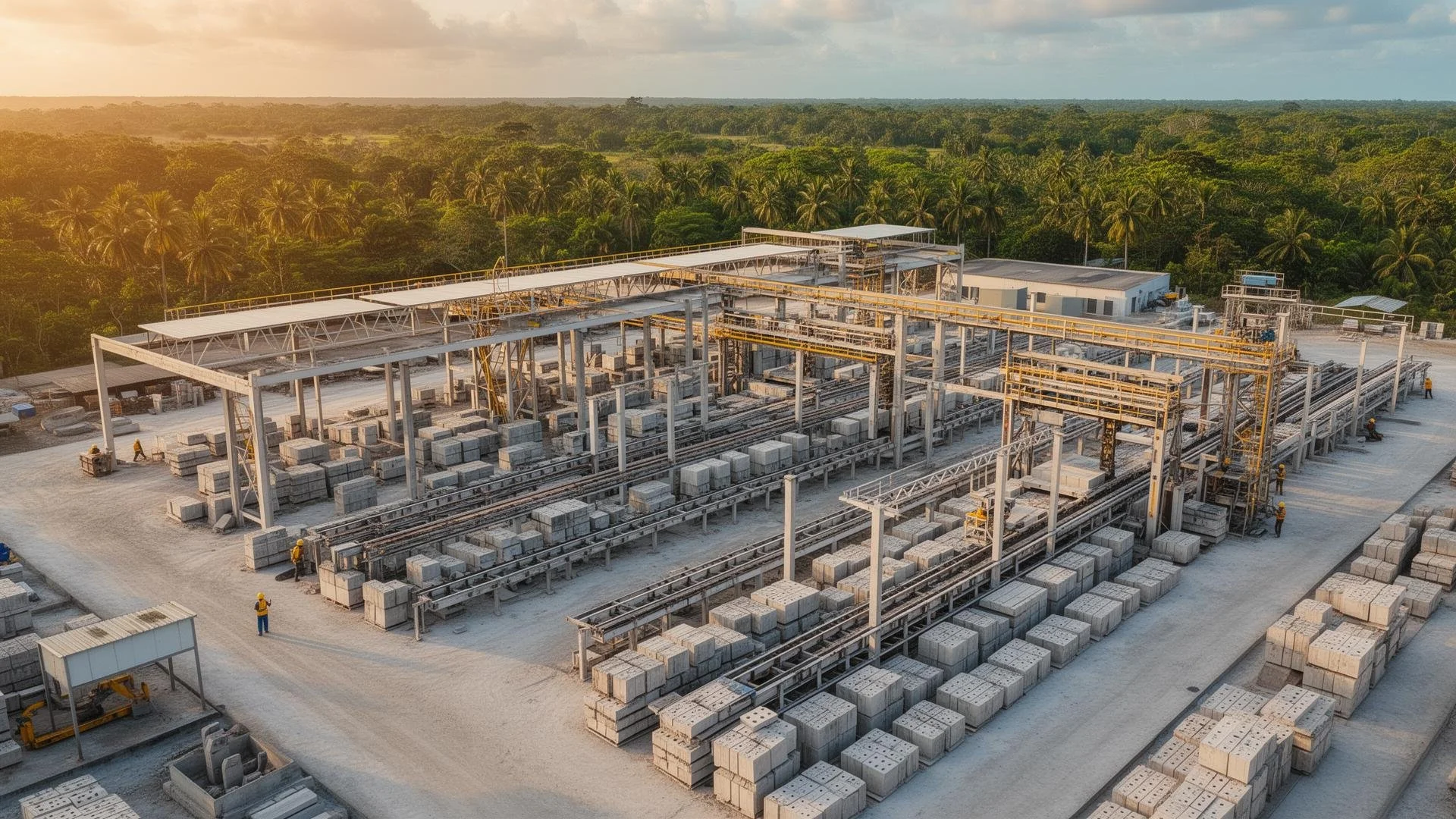
Developing Guyana’s First Scalable Cement & Industrial Platform
Canadian Infrastructure Company
Integrated clinker & cement manufacturing
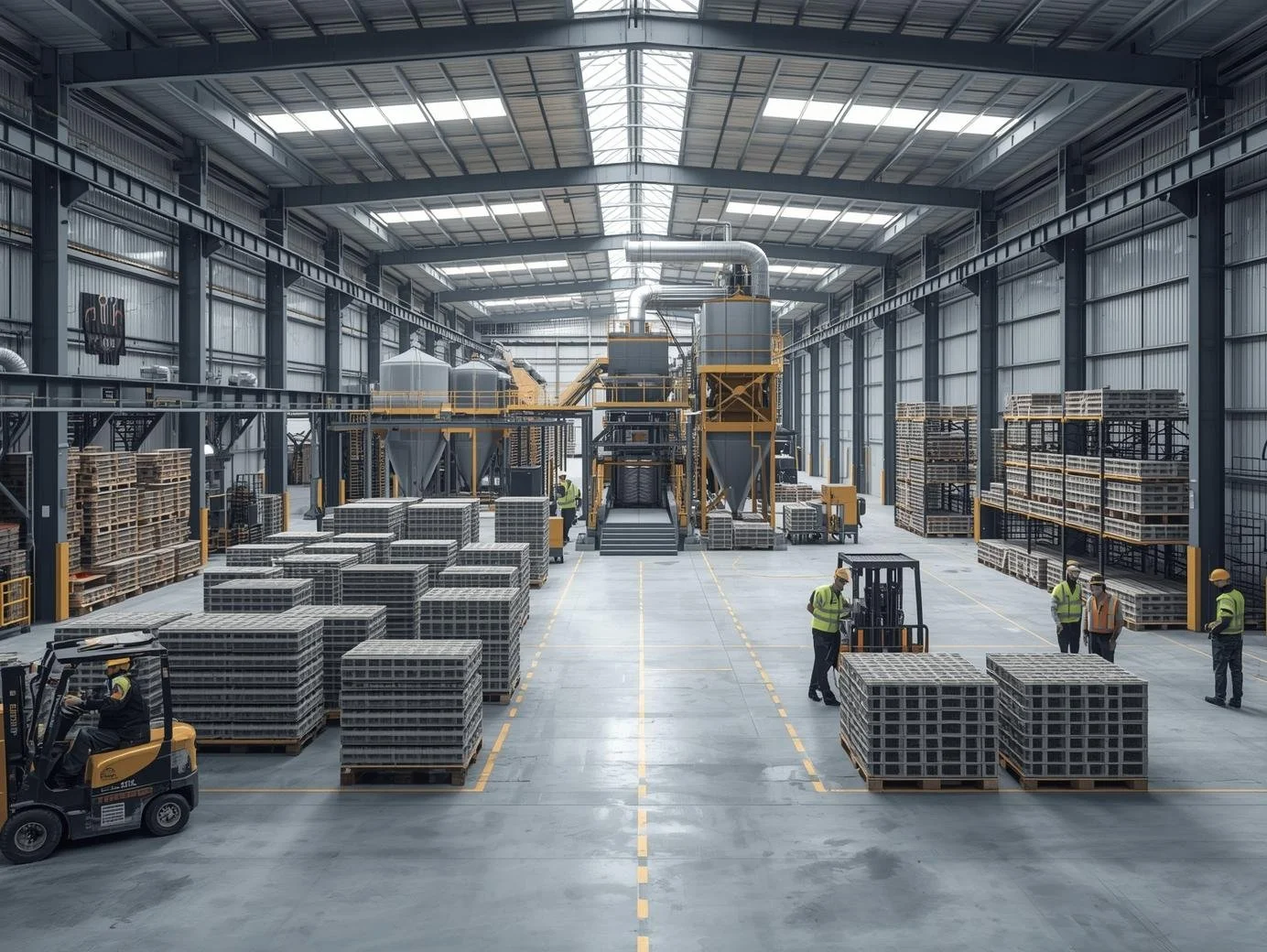
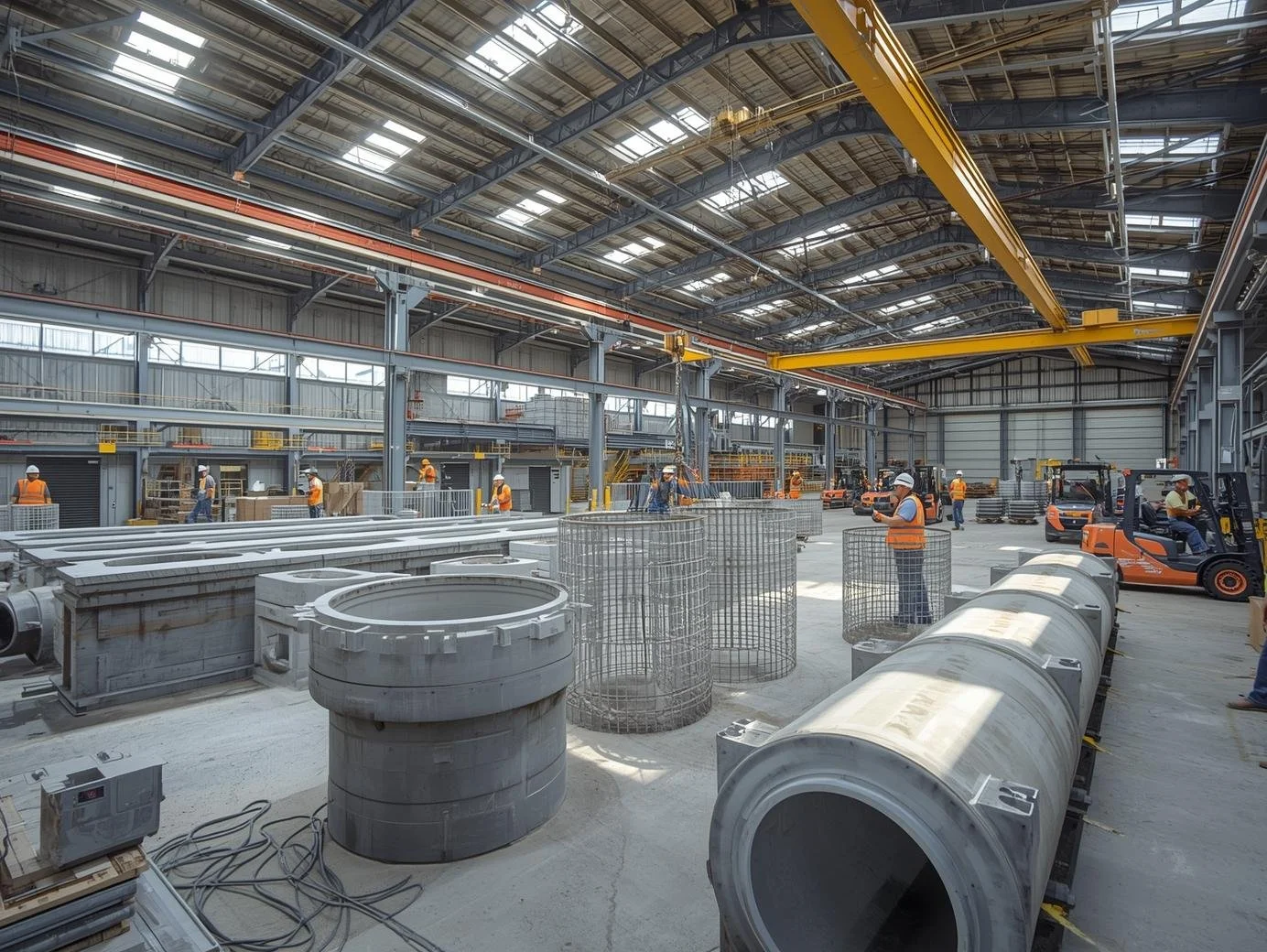
Downstream block & precast production
Strategic land & logistics positioning
National supply chain stabilization
A vertically integrated clinker and cement manufacturing anchor asset with downstream block, precast, and logistics operations designed to secure national supply resilience.
A Vision Built on Solid Foundation
229 Infrastructure Inc. is a Canadian industrial development sponsor establishing vertically integrated manufacturing platforms in Guyana through locally incorporated operating subsidiaries.
Our strategy centers on anchor industrial assets — beginning with an integrated clinker and cement manufacturing facility — designed to strengthen national supply chains, support downstream production, and secure long-term infrastructure resilience.
Led by a Guyanese-Canadian founder with experience in heavy civil construction, the company combines local market insight with disciplined corporate structuring to execute large-scale industrial projects.
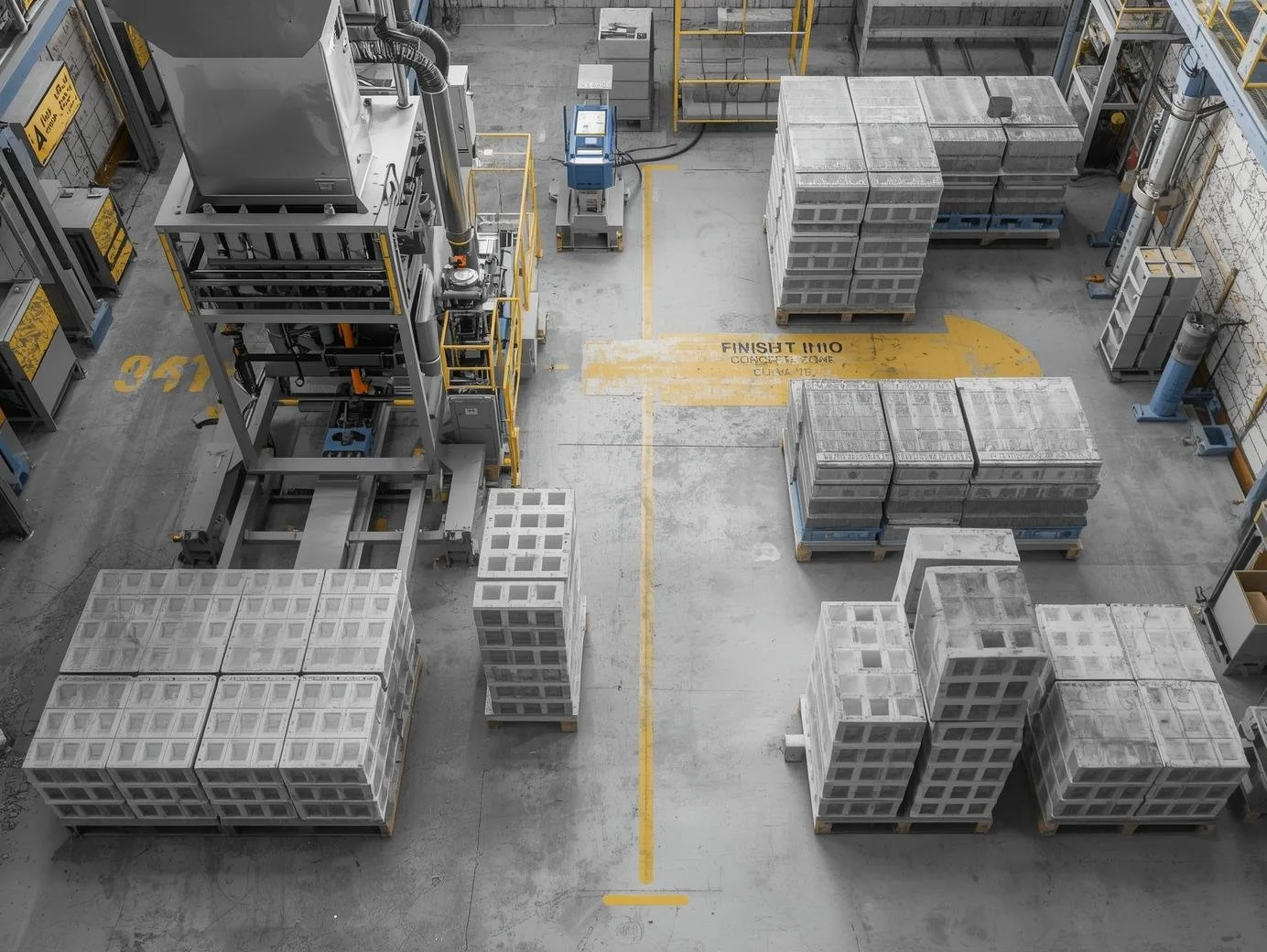
Three Phases of Growth
What We Build
A disciplined approach to building manufacturing capabilities aligned with Guyana's infrastructure needs.
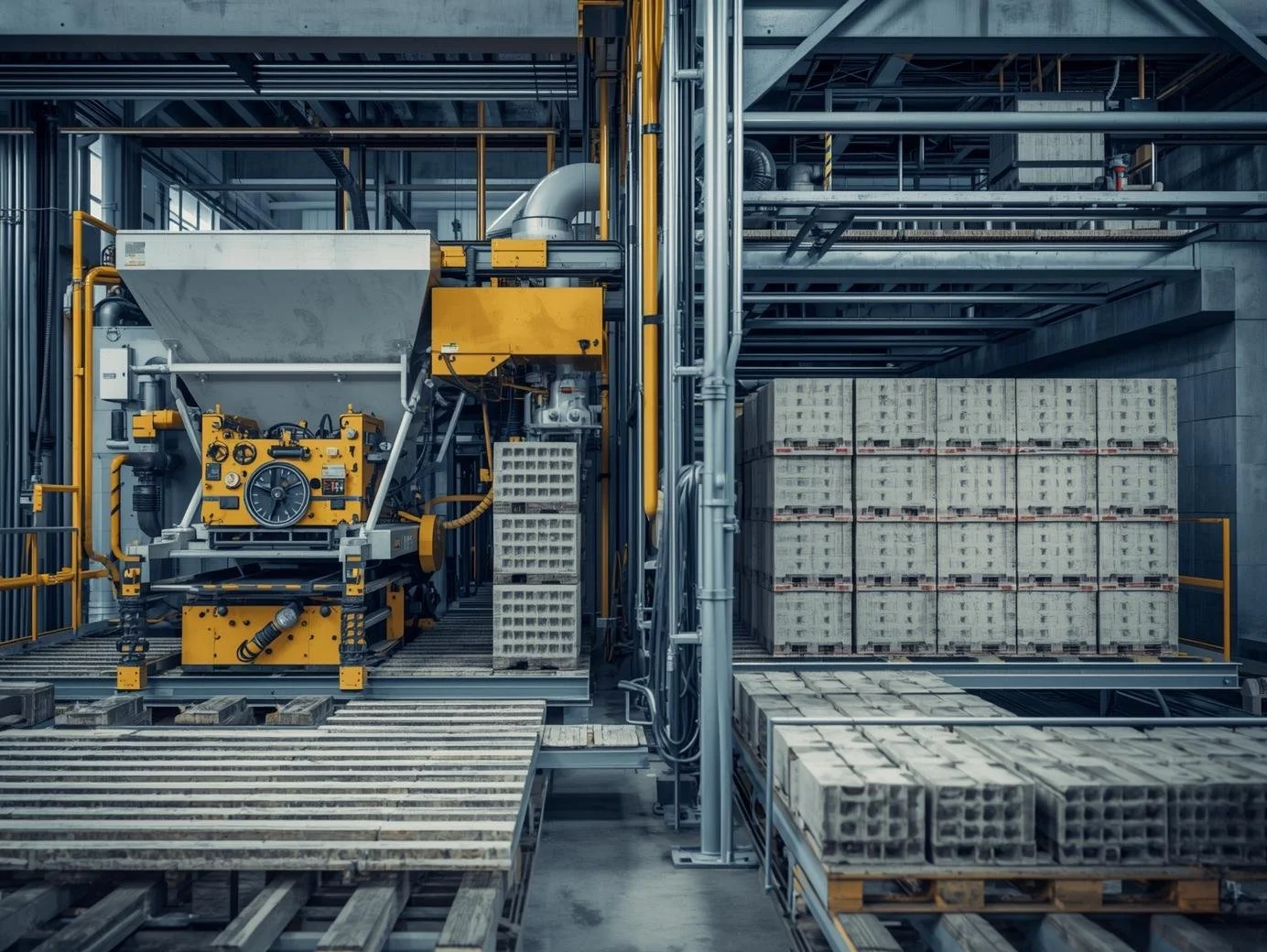
Anchor Cement Facility
Integrated clinker & cement manufacturing designed to secure domestic supply and reduce import dependency.

Industrial Materials Expansion
Automated block and precast production leveraging internal cement supply to capture downstream demand.
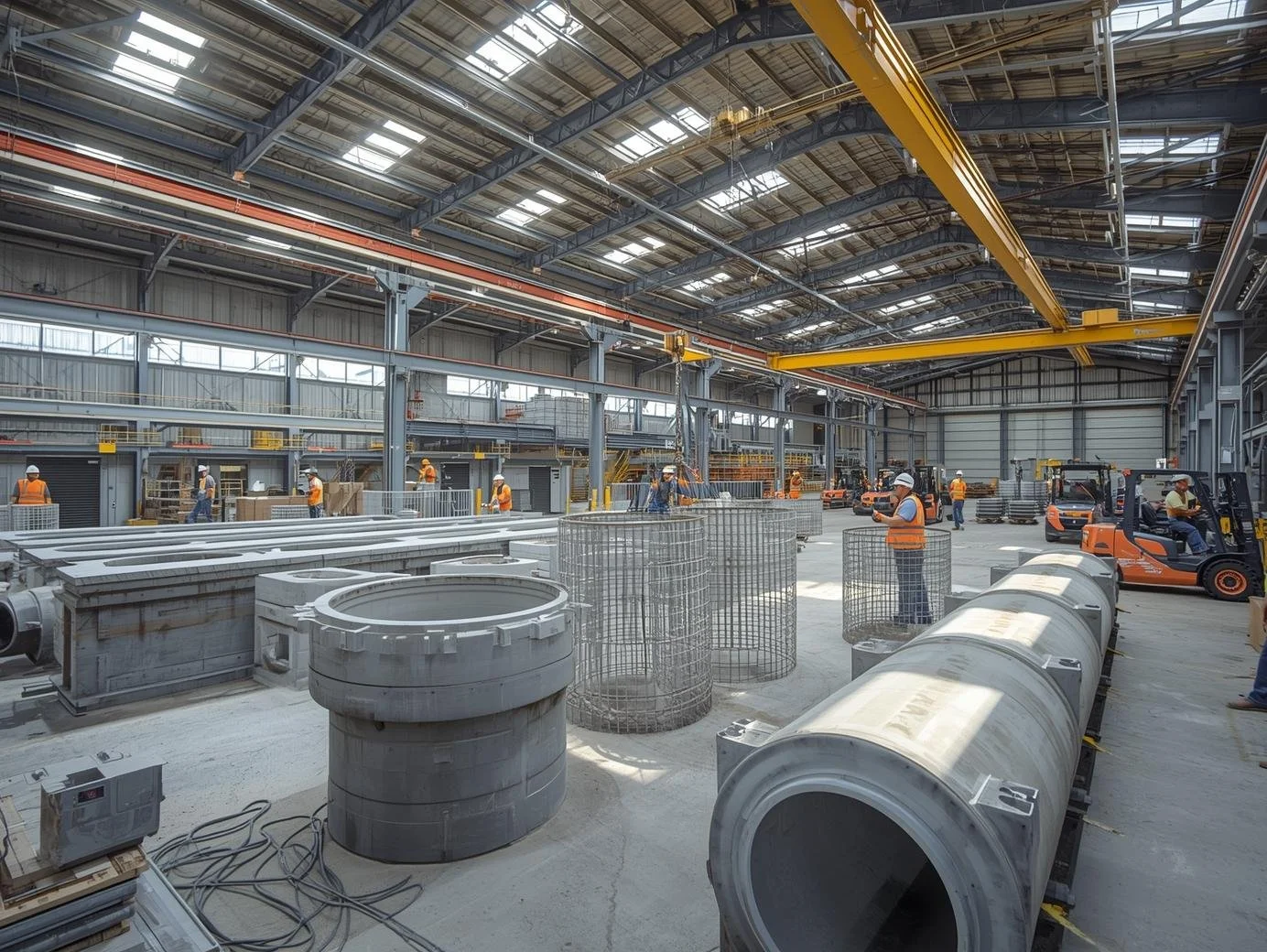
Logistics & National Distribution
Strategic land acquisition, port access, and bulk handling infrastructure to stabilize Guyana’s construction supply chain.
We combine Guyanese market intelligence with Canadian corporate governance to develop bankable, vertically integrated industrial assets designed for long-term national impact.
Positioned to Anchor Guyana’s Industrial Supply Chain
Why 229 Infrastructure
• Strategic industrial land positioning for cement and bulk logistics
• Integrated clinker & cement manufacturing platform
• Downstream block & precast vertical integration
• Structured capital deployment aligned with phased risk mitigation
• Local workforce integration with international compliance standards
• Canadian oversight, governance, and investor transparency
Market Insights
Market Reality

Guyana is undergoing one of the fastest infrastructure expansions in the Caribbean, driven by energy development, housing demand, transportation upgrades, and public works investment.
However, domestic production capacity for cement and core construction materials remains limited. The country relies heavily on imported clinker and cement inputs, exposing projects to:
• Supply chain delays
• Freight cost volatility
• Foreign exchange pressure
• Price instability during peak demand
As infrastructure spending accelerates, import dependency creates structural risk to delivery timelines and national cost control.
A vertically integrated clinker and cement manufacturing platform addresses this constraint by:
• Securing local production capacity
• Stabilizing pricing through domestic supply
• Reducing import exposure
• Supporting downstream block and precast manufacturing
Industrial manufacturing scale is not optional — it is foundational to sustaining Guyana’s long-term development trajectory.
Guyana is entering a multi-year infrastructure expansion cycle supported by energy revenues, public works programs, private housing growth, and transportation upgrades.
Cement and construction material demand is increasing materially as:
• Road and bridge networks expand
• Port and logistics infrastructure modernize
• Housing development accelerates
• Industrial facilities scale
Despite this growth, domestic cement production remains limited and import dependency exposes the market to:
• Freight volatility
• Supply disruptions
• Foreign exchange exposure
• Project timing risk
Long-term infrastructure stability requires scalable, localized industrial manufacturing capacity anchored by integrated clinker and cement production.
Guyana’s accelerated infrastructure expansion is materially increasing demand for cement, block, and precast materials beyond current domestic production capacity.
The country remains dependent on imported clinker and bulk cement, exposing the construction sector to freight volatility, foreign exchange pressure, pricing fluctuations, and delivery timing risk.
As infrastructure programs scale, reliance on imports becomes a structural constraint rather than a temporary supply solution.
Establishing integrated domestic clinker and cement production capacity is foundational to long-term national supply resilience, pricing stability, and industrial independence.
— Structural Supply Constraint